
When Your Risk Changes the Rules
Family history, genetics, prior findings, and exposures can change your cancer screening plan. Personalized screening means appropriate testing—not simply more.
Read the article →
The Ikigai Blog
Evidence-based writing from our physicians on brain health, cancer screening, metabolic health, and living longer, better.
Family history, genetics, prior findings, and exposures can change your cancer screening plan. Personalized screening means appropriate testing—not simply more.
Read the article →
THC can make you feel sleepy, but that's not the same as sleeping well. Here's what the evidence shows about cannabis, CBD, and sleep quality.
Read the article →
Screening guidelines are the foundation of a cancer strategy, not the ceiling. Here's how prevention, personal risk, and tests like Galleri fit in.
Read the article →
Earlier detection can change everything, but more screening isn't automatically better. Here's what overdiagnosis and false positives actually mean and how to form a testing strategy.
Read the article →
Cancer risk isn't one number — you have a different risk for every cancer type. Here's how personal and family history actually shape a risk profile.
Read the article →
70% of cancer deaths come from cancers we don't routinely screen for. Here's what modern cancer screening gets right, where it falls short, and why.
Read the article →
Beetroot supplements promise better blood flow and performance. Here's what the evidence actually shows about nitrate, nitric oxide, and blood pressure.
Read the article →
Not every forgotten name is a warning sign. Learn how to tell normal aging from meaningful cognitive change — and when it's time to pay attention.
Read the article →
Learn the Ikigai Playbook — a 5-step framework to build, measure, and adapt your brain health plan.
Read the article →
Sleep isn't the quiet part of the day. While you're unconscious, your brain is sorting memories, clearing toxic proteins, repairing tissue, and cycling through stages evolution has spent millions of years refining.
Read the article →
Most health plans lack what every good financial plan relies on: clear metrics, continuous oversight, and a proactive strategy. Here is how to upgrade your approach.
Read the article →
Separating promise from hype when it comes to fish oil, Lion’s Mane, creatine, and more. Learn why effective brain health starts with filling real gaps, not adding more capsules.
Read the article →
Smartphones aren't rewiring your brain the way headlines claim. But how you use technology does influence attention — and attention is the gateway to memory, learning, and long-term cognitive health.
Read the article →
The idea that moderate drinking protects the brain hasn't held up. Here's what large-scale analyses, brain imaging studies, and better statistical methods now tell us about alcohol and long-term cognitive health.
Read the article →
Menopause is increasingly recognized as a neurologic transition, not just a reproductive one. Learn what estrogen does in the brain, what PET imaging reveals about perimenopause, and what this means for long-term cognitive health.
Read the article →
Social isolation is a recognized dementia risk factor — but connection, purpose, and lifelong learning may do more than reduce risk. Here's what the research shows and what it means practically.
Read the article →
Chronic stress doesn't just affect mood — it disrupts sleep, raises blood pressure, worsens metabolic health, and may accelerate cognitive decline. Here's what the research shows and what you can do about it.
Read the article →
A normal lab result isn't the same as an optimal one. Learn why reference ranges may not be the best guide for your health.
Read the article →
Blueberries won't save your brain. Here's what nutrition actually does for your brain.
Read the article →
High blood pressure, atherosclerosis, and insulin resistance don't just damage your heart — they accelerate cognitive decline and dementia.
Read the article →
Sleep is not passive downtime — it's when your brain consolidates memories, clears Alzheimer's-associated proteins, and performs the overnight maintenance that determines how well you age cognitively.
Read the article →
Untreated hearing loss is the largest modifiable dementia risk factor.
Read the article →
How aerobic training, strength training, and BDNF support cognitive resilience and dementia prevention.
Read the article →
Confused by Functional, Integrative, and Longevity medicine? Learn how the critical differences change your health trajectory.
Read the article →
Is your brain starving? Even with "normal" blood sugar, insulin resistance can create a functional energy gap in your brain.
Read the article →
How to track brain health and build a system for brain longevity
Read the article →
45% of dementia cases are linked to 14 modifiable risk factors. Learn how manage your risk.
Read the article →
Learn why brain health is a "long game" that starts decades before symptoms appear.
Read the article →
Stop obsessing over daily HRV scores. Start watching the pattern.
Read the article →
Discover why the stability of your heart rate variability is a more powerful indicator of health than the daily number on your watch.
Read the article →
How GLP-1s, PCSK9 inhibitors, and targeted supplements like Omega-3s work to stabilize plaque, lower ApoB, and prevent cardiovascular events.
Read the article →
Nutrition is a daily signal to your cardiovascular system. Learn how refined sugars, fiber, and omega-3s influence ApoB, nitric oxide, and arterial health.
Read the article →
Exercise is more than a way to burn calories—it is a biological signal that alters vascular health. Learn how movement protects and stimulates your heart.
Read the article →
Cardiovascular disease begins at the glycocalyx. Discover how blood sugar, nitric oxide, and exercise influence this delicate vessel lining to prevent atherosclerosis.
Read the article →
High blood pressure isn’t just a metric on a cuff—it’s the physical force that dictates how fast your arteries age.
Read the article →
Heart disease isn’t just a "clogged pipe"—it’s a biological process unfolding inside your artery walls. Learn the critical difference between stable calcified plaque and high-risk soft plaque, and why modern imaging is the key to true prevention.
Read the article →
Alzheimer’s is not just a disease of old age; for women, it is often a midlife event with late-life consequences. Discover the science behind this disparity and how early action changes the trajectory.
Read the article →
Are your triglycerides a signal of insulin resistance? Learn how this "energy cargo" impacts cardiovascular risk, ApoB levels, and your long-term longevity.
Read the article →
LP(a) is a genetically determined particle that drives cardiovascular risk independently of diet and exercise. Measuring and managing is vital for a truly personalized prevention plan.
Read the article →
Most people focus on the cholesterol in their food, but the real driver of heart risk may be in your physiology. Discover the powerful dietary levers you have for managing ApoB.
Read the article →
Is peptide therapy the future of medicine or just hype?
Read the article →
While often labeled "good cholesterol," HDL is actually a complex signaling particle that reflects your metabolic health rather than directly preventing plaque.
Read the article →
Stop being confused by cholesterol tests. Learn why ApoB is a more accurate predictor of heart disease than LDL-C and how these particles actually drive atherosclerosis.
Read the article →
A zero calcium score doesn't guarantee clear arteries. New research shows how LDL drives "hidden" soft plaque and heart risk
Read the article →
It turns out, the most dangerous plaques aren't always the biggest ones. They are the "soft," inflamed plaques that can tear open without warning.
Read the article →
Heart disease isn't an event; it's a process. Let’s explore the biology of atherosclerosis to reveal how the glycocalyx, ApoB particles, and early life choices shape your cardiovascular destiny.
Read the article →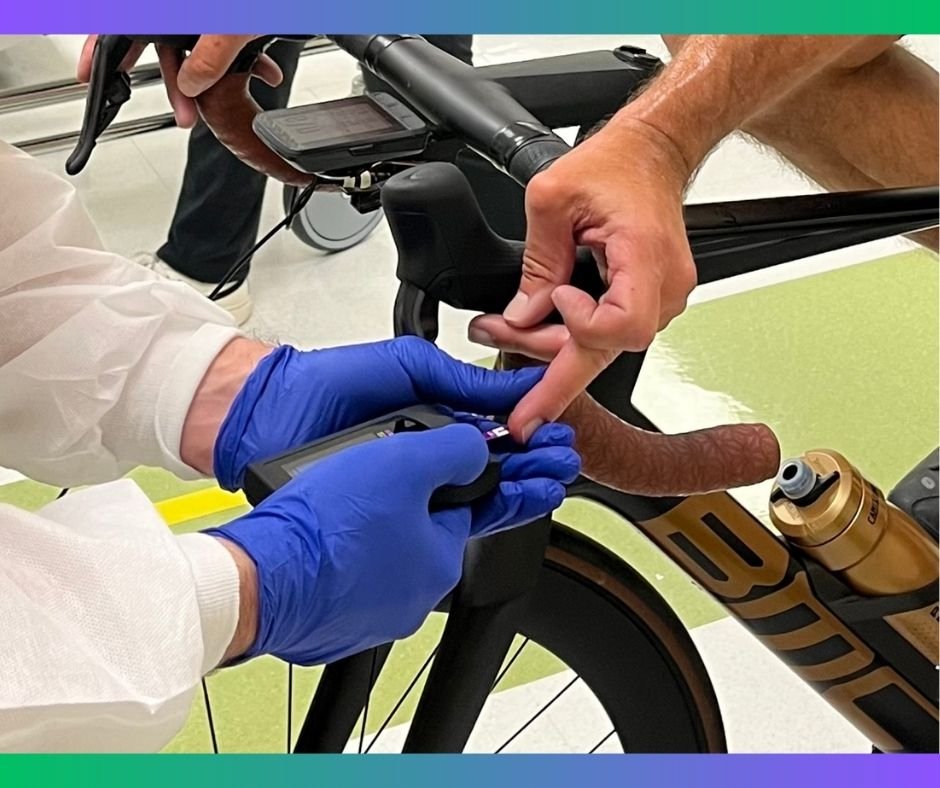
Lactate is not a waste product, but a vital metabolic fuel and real-time biomarker used at Ikigai to precisely measure mitochondrial efficiency, metabolic flexibility, and optimal training zones for enhanced healthspan.
Read the article →
Worried about insulin resistance? Learn how the 1-Hour Glucose reading from an OGTT uncovers your Type 2 Diabetes risk years before standard tests. Reverse it early.
Read the article →
Why Your Heart Test Might Be Missing Early Disease.
Read the article →
Trying to fix your metabolism? When you eat could be as important as what you eat.
Read the article →
The 60 Minutes feature on Dr. Peter Attia confirmed that intentional longevity is the future of health. However, making it accessible to more people is still critical.
Read the article →
Breast cancer survival hinges entirely on early detection: finding it localized offers a >99% survival rate, while annual mammograms and personalized screening for risks like breast density dramatically reduce the chance of a late-stage diagnosis.
Read the article →
Discover what Continuous Glucose Monitoring (CGM) reveals about your hidden metabolism and why it's essential for maximizing your healthspan.
Read the article →
5 principles for optimal metabolism, stable glucose, and low inflammation
Read the article →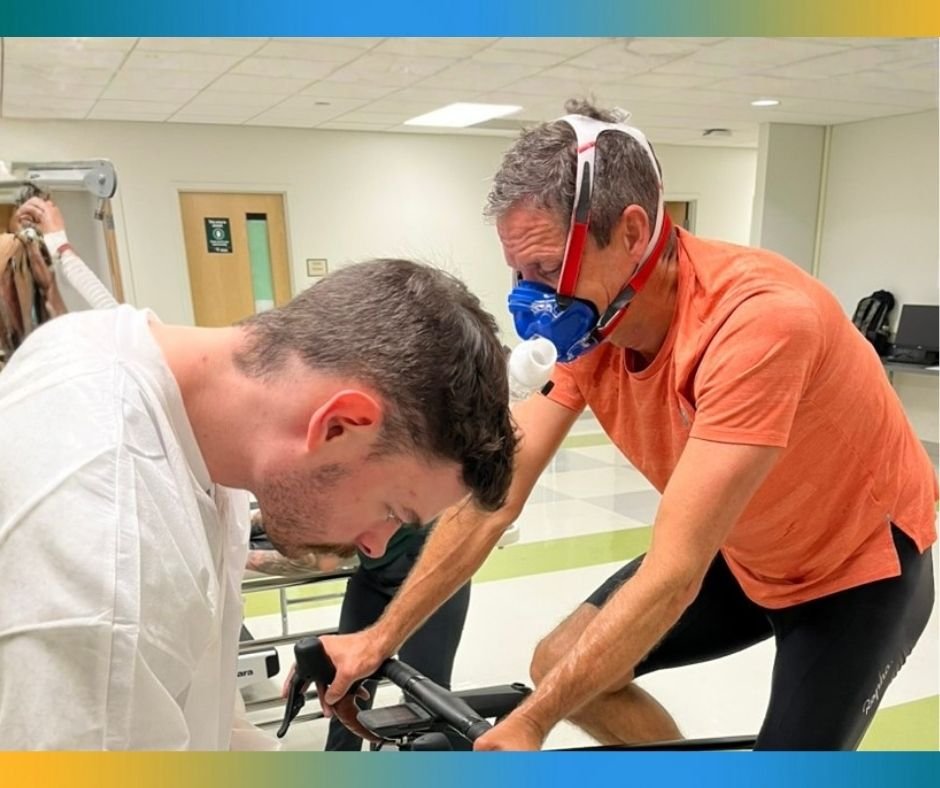
Your VO₂ Max is the ultimate report card for your health and longevity. Discover what your body's oxygen use truly reveals about your metabolic health.
Read the article →
Move beyond reactive care by transforming the annual visit into proactive, personalized longevity care.
Read the article →
A subtle shift in your metabolism may be quietly affecting your energy, weight, and long-term health. Learn about the hidden risks of insulin resistance and what you can do about it.
Read the article →
Understanding how glucose, fat, and insulin work together can reveal why your energy fluctuates and why small shifts in your habits can unlock a lifetime of vitality.
Read the article →
Most health measures are built on averages, but your risk is personal. Knowing your baseline and having a clear personalized map can change your trajectory forever.
Read the article →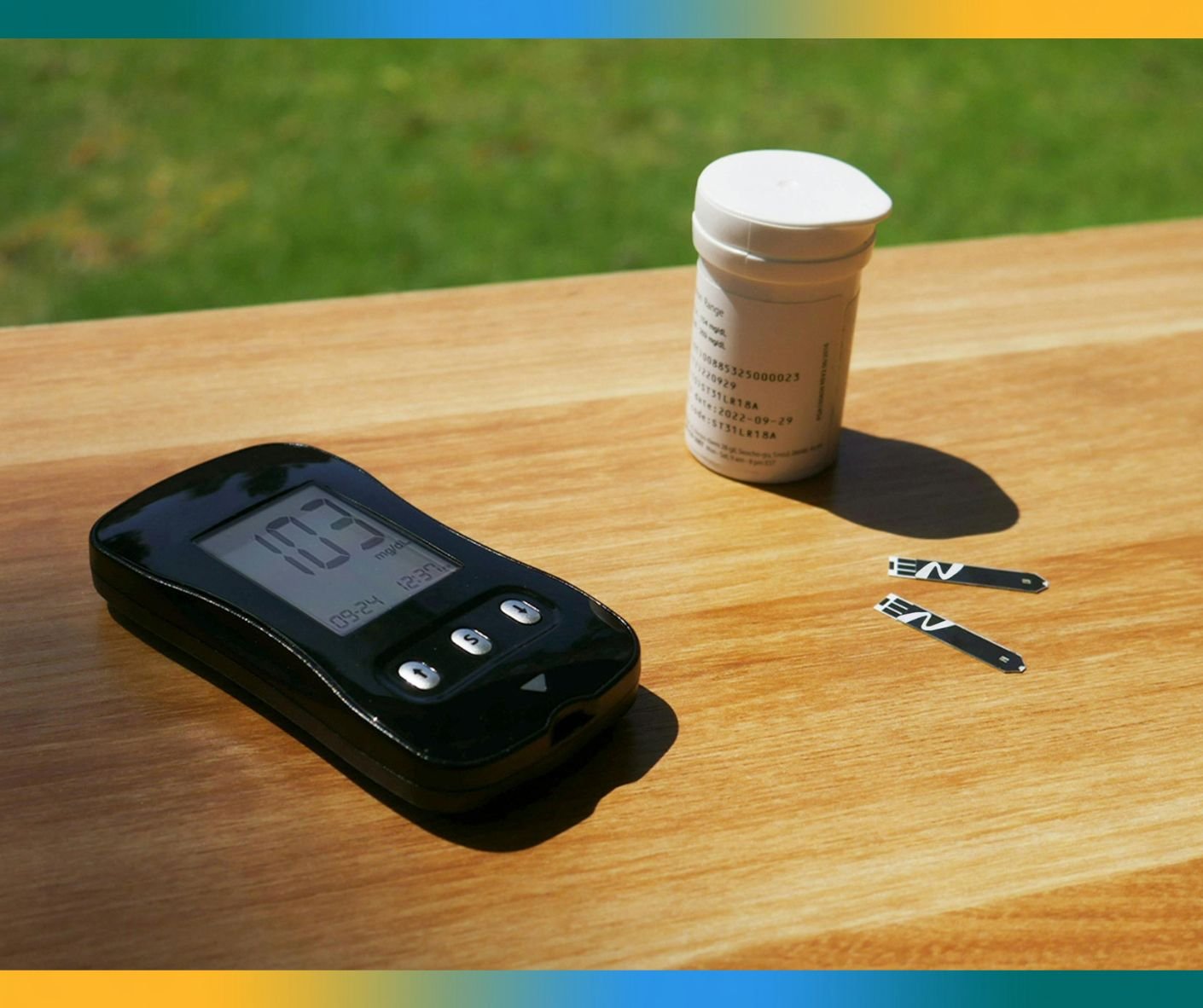
Most people think of aging as something that happens all at once—a sudden shift in energy, or a diagnosis they didn’t see coming. But for many, the story of chronic disease begins slowly—and quietly.
Read the article →
Alzheimer’s disease prevention is no longer just about brain games. Research shows that what happens in your muscles and blood vessels has a direct impact on your risk of dementia.
Read the article →
Discover how omega-3 supplements and lifestyle choices may slow biological aging, according to a new study. See what it reveals about biological age, nutrition and exercise to support long-term health.
Read the article →
Aging may seem inevitable, but science reveals a set of interconnected biological processes you can influence to change your trajectory.
Read the article →
Maybe the age on your driver’s license isn’t telling the whole truth.
Read the article →
Discover our unique approach to well-being. We go beyond symptoms to define your purpose, uncover hidden health insights, and create a personalized plan for a vibrant, meaningful life.
Read the article →
Imagine living to 85, but with 15 years of heart disease or memory loss. The truth is, we are often now living longer, but not always well. Let’s change that.
Read the article →
There’s a growing gap between the years we live—and the years we live well. Understand how longevity medicine is changing that.
Read the article →You have a strategy for your wealth and your career. It's time to build one for your health.